
Professional Storm Damage Roof Repair Services in Houston & Surrounding Areas
Get Your Free Inspection Today!
We typically respond within 1 hour
Houston is one of the most storm-active metros in the country. The combination of Gulf moisture, frequent hail corridors tracking through Harris and Fort Bend counties, and tropical systems that push inland from the coast means Houston homeowners deal with real roof damage on a regular basis — not occasionally, but most years.
Arnold Roofing & Construction handles storm damage roof repair across Houston and the surrounding metro. We inspect the damage, document it correctly, work directly with your insurance adjuster, and complete the repair or replacement. We've done this hundreds of times in this market and we know exactly how the process works — and where homeowners get shortchanged if they don't have someone in their corner.
If you just took a storm and you're not sure what you have, call (832) 548-4010 for a free inspection. We'll get on the roof and tell you straight what's there.
How & Why Houston Roofs Take a Beating From Storm Damage
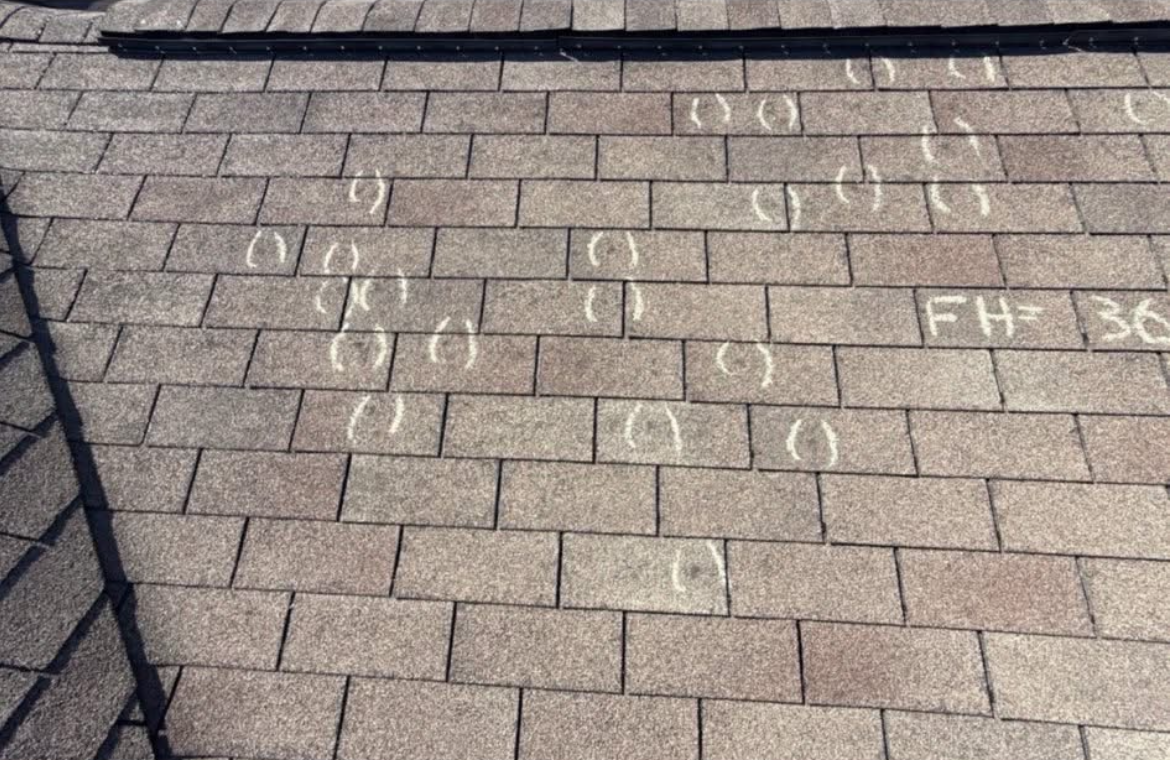
Hail. The I-10 corridor running east-west through Houston sits in one of the most hail-active zones in Texas. Storms that develop over the Hill Country and track southeast, and Gulf-fed supercells that build over the metro, both produce hail regularly — often 1" or larger, which is the size that causes functional damage to asphalt shingles. A single hail event can knock years off a roof's remaining life even if it doesn't create an obvious hole.
High winds. Thunderstorm winds in Houston routinely hit 60-80 mph during severe cells. That's enough to lift shingles, tear flashing loose, and snap branches that land on roofs. Tropical systems bring sustained winds that work differently than thunderstorm gusts — they stay on the roof longer and stress the entire system, not just individual shingles.
Tropical weather. Houston's proximity to the Gulf means tropical storms and hurricanes are a real threat every season. Even storms that make landfall elsewhere push heavy rain and wind bands through the area. Roofs with existing wear — slightly lifted flashing, aging sealant, granule-depleted shingles — fail under these conditions when they might have held up for another year or two otherwise.
Heat and UV degradation. This isn't storm damage on its own, but Houston's intense summer heat accelerates shingle aging every year. A roof that's been cooking in 95-degree summers for 15+ years is much more vulnerable to storm damage than the same age roof in a cooler climate. Storm damage and age-related wear intersect here constantly.
How We Handle Storm Damage Claims
Free Roof Inspection
We get on the roof and document everything — hail strikes, wind damage, impact points, flashing condition, soft metal damage. We don't just look at the obvious stuff. We check the whole roof because insurance claims need to reflect the full scope of damage, not just the visible patches.
Honest Assessment
We tell you what we found and what it means. If the damage warrants an insurance claim, we'll say so and explain why. If it's minor enough to repair out of pocket without involving insurance, we'll tell you that too. We don't manufacture damage to force a claim.
Insurance Claim Support
If you're filing a claim, we work alongside you through the entire process. We provide detailed documentation — photos, measurements, material specs — to support the scope of loss. We're experienced with how Houston-area adjusters evaluate storm damage and we make sure nothing gets underreported.
Adjuster Meeting
We're on-site when your adjuster comes out. We walk the roof with them, point out documented damage, and make sure the scope of loss is accurate. This step alone makes a significant difference in claim outcomes.
Repair or Replacement
Once the claim is approved, we complete the work — targeted repair if the damage is localized, full replacement if it's widespread or if the roof is at the end of its serviceable life. We install to manufacturer specs and back our work with a 1-year workmanship warranty.
Final Documentation
We provide all closeout documentation for the insurance file and warranty records.